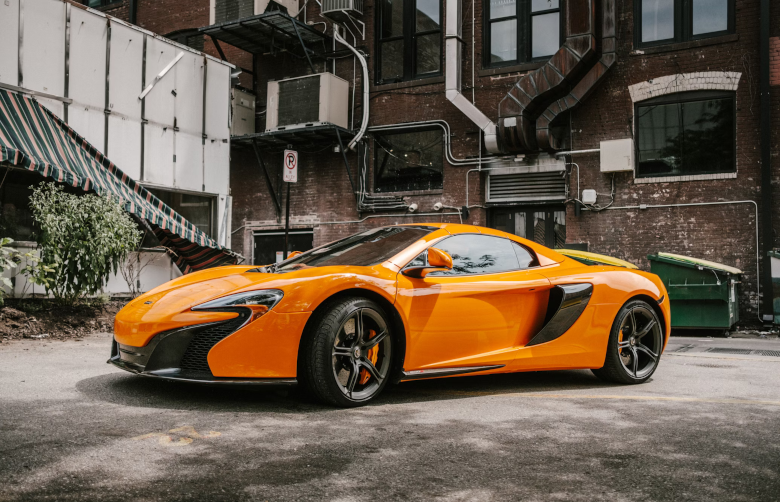
Discover how electric cars are shaping the future of transportation and redefining the automotive industry
The automotive world is rapidly shifting toward electric vehicles (EVs), driven by advancements in technology and growing environmental concerns. Governments worldwide are implementing stricter emissions standards, while car manufacturers invest heavily in electric car development. This shift is revolutionizing how people drive, offering eco-friendly alternatives that combine performance, efficiency, and cutting-edge technology.
Electric cars are no longer just niche products; they have entered the mainstream with increased availability, improved range, and faster charging times. Companies like Tesla, Rivian, and traditional automakers such as Ford and Volkswagen have expanded their EV lineups, making electric cars accessible to a broader market. As battery technology advances, EVs are becoming more practical and cost-effective for everyday use.
Moreover, global sustainability goals are fueling EV adoption. Nations are introducing incentives like tax breaks, free charging stations, and reduced registration fees to encourage people to go electric. With charging networks expanding rapidly, range anxiety is becoming a thing of the past, allowing EV owners to travel farther and more conveniently than ever before.
Electric cars are not just vehicles; they are the future of sustainable transportation, driving us toward a cleaner, greener world
Electric cars represent a revolutionary step toward a more sustainable future by reducing greenhouse gas emissions and dependence on fossil fuels. Unlike traditional gasoline-powered vehicles, EVs produce zero tailpipe emissions, helping combat air pollution and slow climate change. As nations push for stricter environmental regulations, EV adoption plays a critical role in meeting global sustainability goals.
The environmental impact extends beyond reduced emissions. EV manufacturers are adopting eco-friendly practices by using recyclable materials, sustainable production methods, and renewable energy in their manufacturing processes. This holistic approach makes electric vehicles a cornerstone of the green automotive revolution.
Technological advancements are propelling EVs into the mainstream. Modern electric cars feature cutting-edge innovations like regenerative braking, advanced driver-assistance systems, and over-the-air updates that enhance performance and safety. These features, combined with continuously improving battery technology, ensure longer driving ranges and shorter charging times.
Moreover, the expansion of charging infrastructure is making EV ownership more convenient than ever. Fast-charging stations are becoming widely available in urban centers, highways, and even rural areas. As charging networks grow, range anxiety—a common concern among potential EV buyers—is becoming a thing of the past, making long-distance travel more practical.
Finally, government incentives, including tax credits, purchase rebates, and reduced registration fees, are encouraging consumers to switch to electric vehicles. Many countries are setting ambitious targets to phase out gas-powered cars entirely, signaling that the future of transportation is electric. This growing momentum ensures that EVs are not just a passing trend but a fundamental shift toward a cleaner, more sustainable world.
Why Electric Cars Are the Future
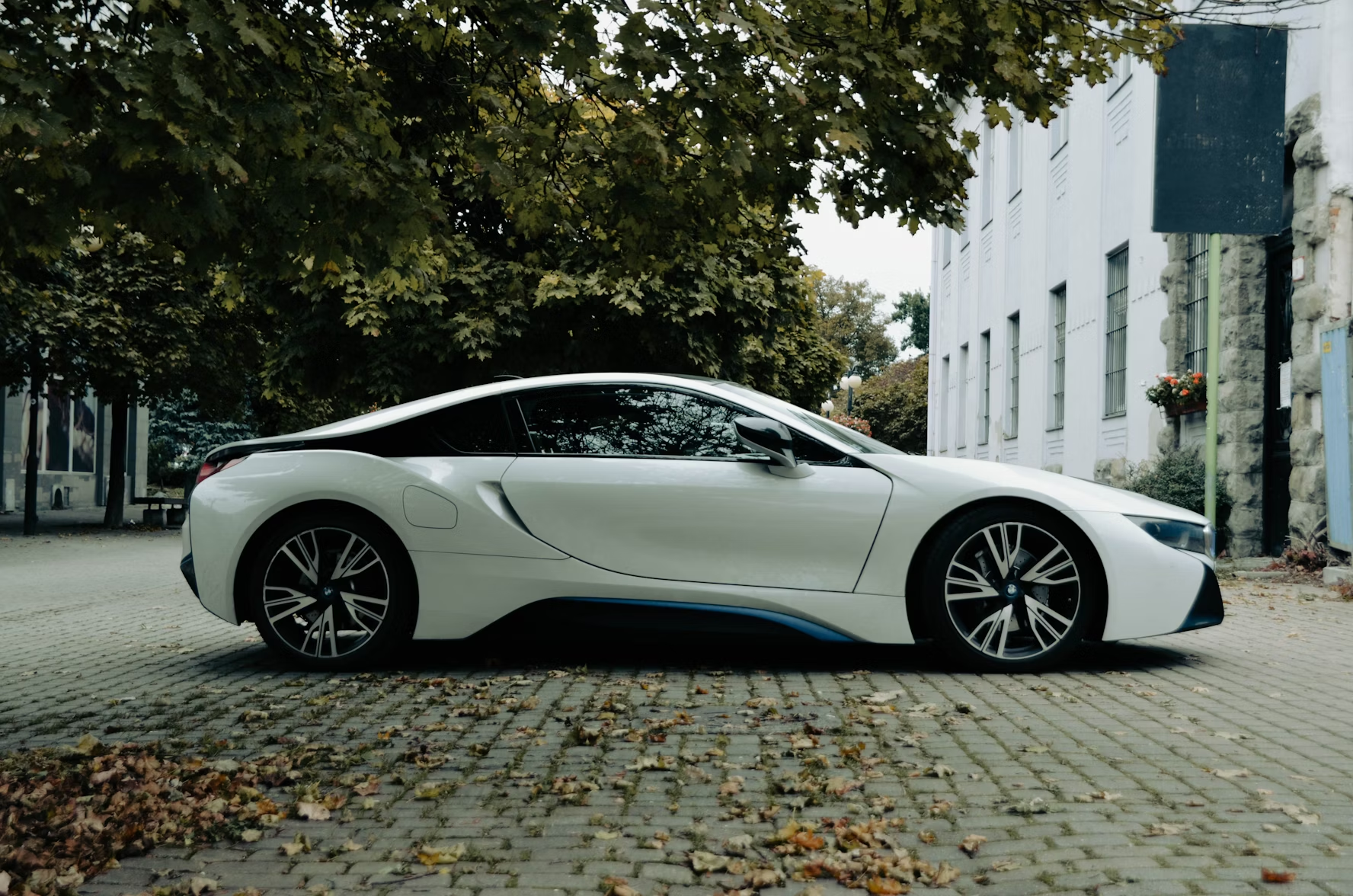
Looking Ahead: What to Expect
- The next decade will see even more breakthroughs in electric mobility. Emerging technologies such as solid-state batteries promise greater energy storage and faster charging capabilities. Additionally, autonomous driving systems will become more advanced, making EVs safer and smarter on the roads.
- With EVs becoming central to transportation policies, carmakers are racing to release new models with longer ranges and competitive prices. By 2035, many countries plan to phase out gas-powered vehicles entirely, cementing EVs as the standard mode of transportation. As consumers embrace these technological marvels, the future of electric cars looks brighter than ever.
- As EV technology advances, sustainability in car production is also gaining traction. Manufacturers are increasingly using eco-friendly materials, such as recycled plastics and sustainable fabrics, in vehicle interiors. Additionally, companies are exploring greener manufacturing processes with lower carbon footprints. This shift toward sustainability extends beyond the cars themselves, as many automakers are investing in renewable energy sources to power their factories, making the entire EV production cycle more environmentally responsible.
Previous Post
How to Trade-In Your Car for the Best Value
Next Post
Choosing Your First Car: A Beginner's Guide