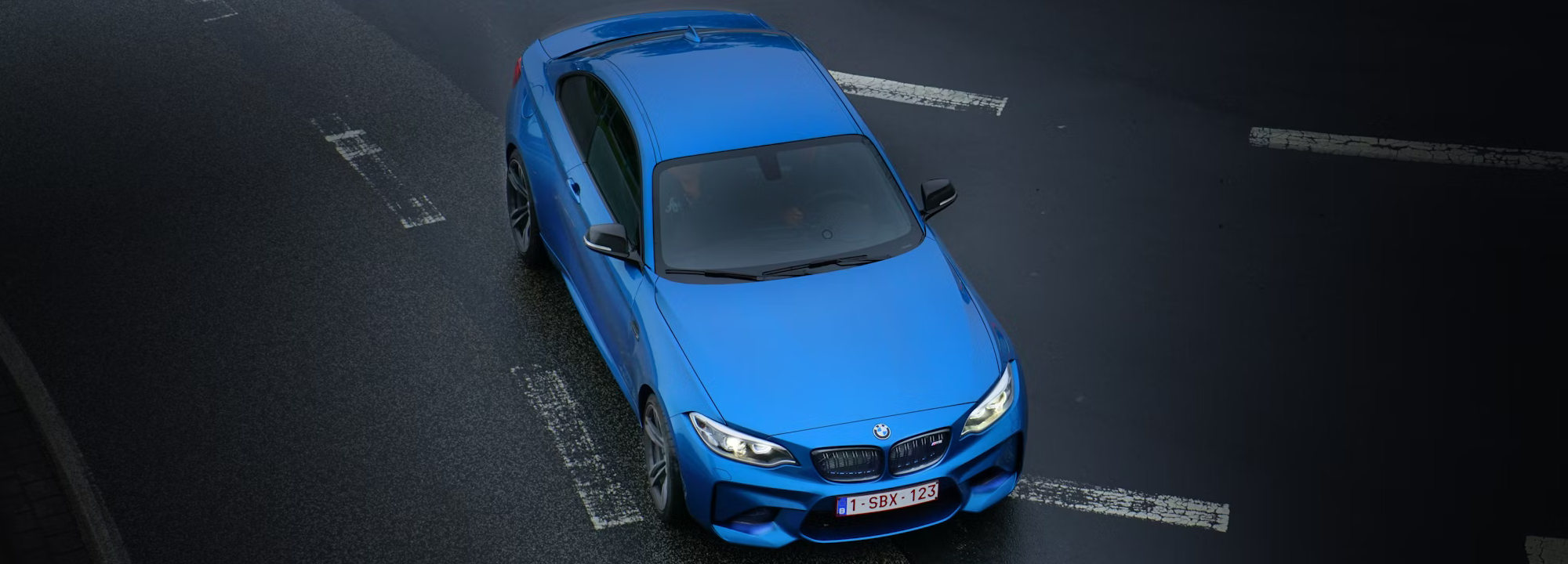
Maximize your car's trade-in value with smart strategies and informed decisions
When trading in your car, preparation is key to getting the best value. Dealerships assess your car's condition, mileage, and market demand to determine its trade-in worth. Understanding these factors and taking steps to improve your car’s appeal can significantly increase the amount you receive toward your next vehicle purchase.
Trading in your car is a convenient option, offering a hassle-free way to sell your vehicle while reducing the cost of your next car. However, dealerships aim to buy cars at the lowest possible price, so being proactive about your car's condition can give you better negotiating power. A clean, well-maintained car often receives higher offers than one in poor condition.
It's also essential to research your car’s current market value using tools like Kelley Blue Book or Edmunds. Knowing its worth gives you leverage during negotiations and prevents dealers from offering a low price. Even if you’re trading in, treat the process like a private sale by showcasing your car's best features and being transparent about its history.
Preparation and knowledge can turn your trade-in from just another transaction into a valuable deal
Preparation begins with understanding your car's current market value. Use reputable online valuation tools like Kelley Blue Book, Edmunds, or Autotrader to get an estimated trade-in range. These platforms consider factors such as mileage, age, and condition to provide an accurate price. Having this knowledge sets a baseline, helping you recognize whether a dealer's offer is fair or too low.
Next, ensure your car looks its best. Clean both the interior and exterior thoroughly, paying attention to details like vacuuming the carpets, polishing the dashboard, and washing the windows. A well-maintained appearance can make your car seem more valuable and signal to dealers that you’ve taken good care of it.
Addressing minor repairs can also boost your car's value. Fixing small dents, scratches, or a malfunctioning light could make a significant difference in the offer you receive. While major repairs might not be worth the cost, correcting visible cosmetic and mechanical issues shows that your car is in good condition.
Having all relevant documents ready can streamline the trade-in process. Bring your vehicle's title, registration, service records, and any warranty paperwork. A complete maintenance history reassures dealers that the car has been properly cared for, increasing their confidence in offering a better deal.
Lastly, visit multiple dealerships to compare trade-in offers. Don’t accept the first offer you receive—dealerships may have different criteria and levels of demand for your car. Use competing offers as leverage to negotiate the best possible price, ensuring that your trade-in is as rewarding as it can be.
How to Maximize Your Car’s Trade-In Value

Unlocking Maximum Value: Your Trade-In Advantage
- When it’s time to trade in your car, being well-informed can transform the process from uncertain to rewarding. Understanding your car’s worth, preparing it for inspection, and negotiating wisely can help you secure a top-dollar offer. A successful trade-in isn’t just about luck—it’s about making strategic decisions backed by solid preparation.
- Start by researching your car’s current market value using trusted online valuation tools. Knowing what your vehicle is worth gives you negotiating power and prevents dealers from making low offers. Armed with this knowledge, you can confidently walk into any dealership prepared to secure the best deal possible.
- Presentation also matters. A clean, well-maintained car makes a lasting impression and suggests that it’s been cared for. Take time to wash, wax, and detail your vehicle before visiting a dealer. Small repairs like fixing scratches or replacing worn-out floor mats can pay off by boosting your car's perceived value during trade-in negotiations.
Previous Post
Top 5 Features to Look for in Your Next Vehicle
Next Post
The Future of Electric Cars: What You Need to Know